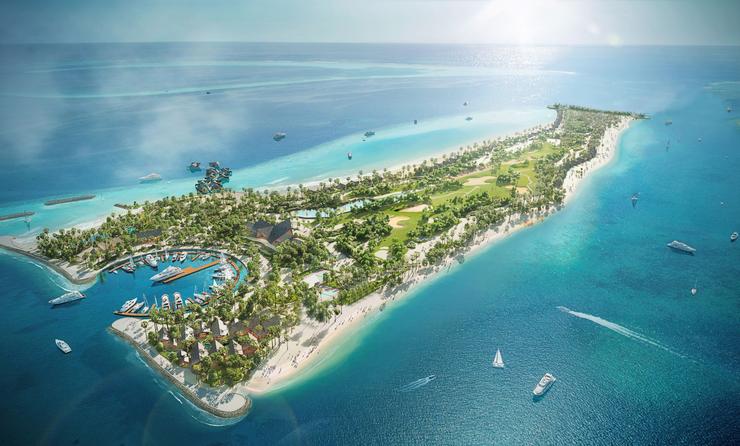
LXR Hotels & Resorts will offer 80 expansive and elegantly designed beach and water villas as well as a 450m2 two-bedroom Royal Villa surrounding a golf course
Source: New feed
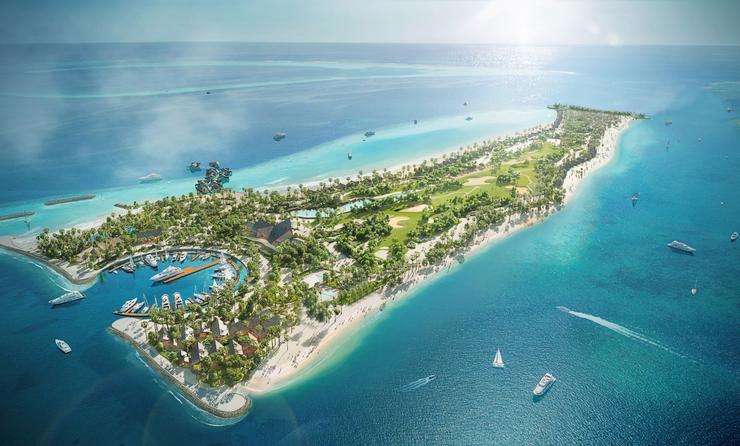
LXR Hotels & Resorts will offer 80 expansive and elegantly designed beach and water villas as well as a 450m2 two-bedroom Royal Villa surrounding a golf course
Source: New feed


According to Mortgage FInder, UAE residents accounted for 94% of borrowers, whilst non-residents were only 6%
Source: New feed


Hutchison’s $30mn project will be a part of the terminal development plans to enhance the inspection services for inbound and outbound containers
Source: New feed


The design and master planning for Ellington’s residential project will commence shortly
Source: New feed


ENOWA will be the first project in the world that enables this at scale, and NEOM will set the stage for other sustainability projects around the world
Source: New feed
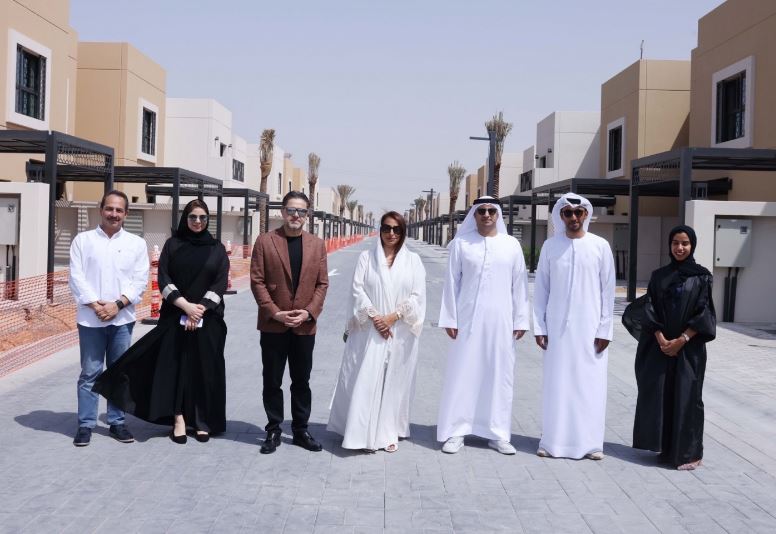
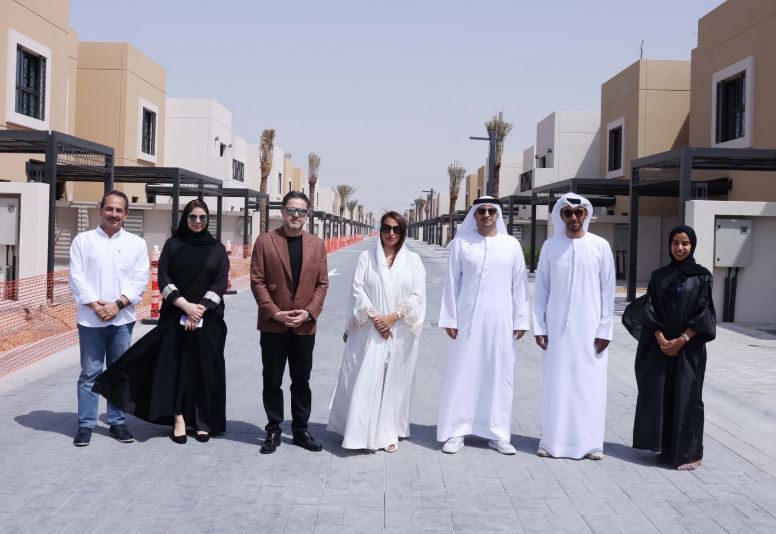
Sharjah’s Bodour Al Qasimi toured the two projects and was briefed on the status of their progress and the facilities and amenities planned for each site
Source: New feed
U.S. Securities and Exchange Commission proposal would seek standardized disclosures of climate-related risks and greenhouse gas emissions to investors for the first time.
Source: New feed
U.S. Securities and Exchange Commission proposal would seek standardized disclosures of climate-related risks and greenhouse gas emissions to investors for the first time.
Source: New feed
U.S. Securities and Exchange Commission proposal would seek standardized disclosures of climate-related risks and greenhouse gas emissions to investors for the first time.
Source: New feed
Long-serving House member led the Transportation and Infrastructure Committee from 2001 to 2007.
Source: New feed